A fire sprinkler system may remain completely inactive for years, yet when an emergency occurs, every component must be ready to perform its intended function. That’s why professional fire sprinkler inspections are among the most important responsibilities of commercial property owners, building managers, and facility operators throughout New Jersey.
At Armor Automatic Sprinkler, we believe exceptional fire protection requires more than simply installing quality equipment. It demands consistent attention, knowledgeable evaluations, and experienced professionals who recognize potential problems before those problems compromise safety.
Our fire sprinkler inspection services in NJ are designed to help property owners understand their systems, identify deficiencies, and maintain reliable protection.
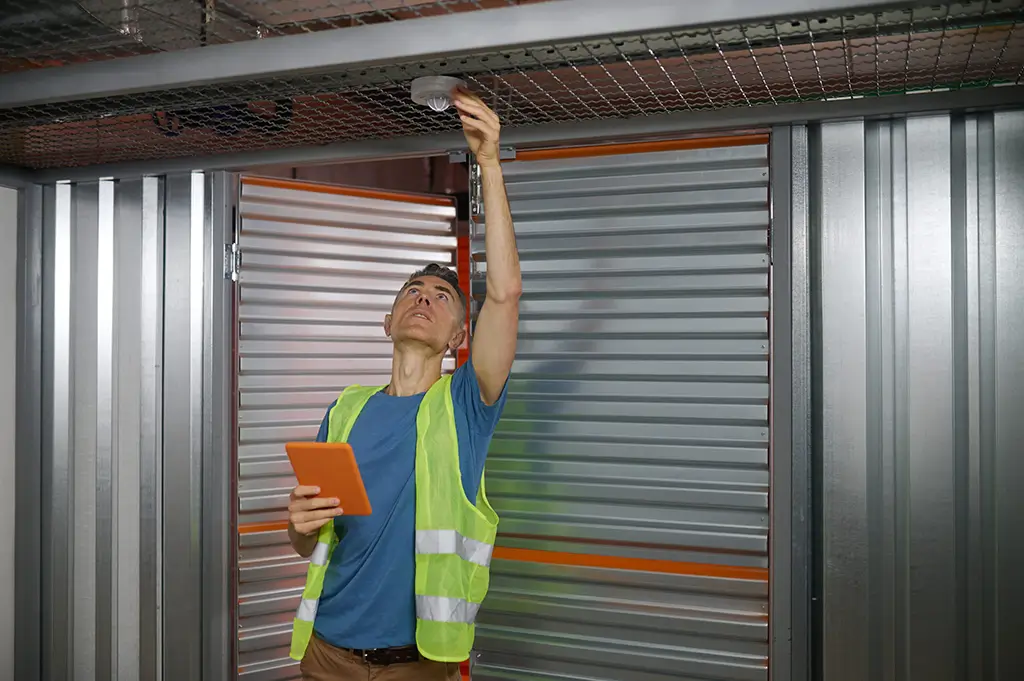
Fire Sprinkler Inspections in New Jersey Protect Your Assets
We approach inspections with a straightforward philosophy: the details that seem insignificant today may become critically important during an emergency. Our goal is to provide thorough, professional evaluations that help protect lives, property, and business operations.
Why Experience Matters During Fire Sprinkler Inspections
Inspecting a fire sprinkler system requires considerably more knowledge than checking whether sprinkler heads appear undamaged. An experienced fire protection professional understands how individual components work together and recognizes warning signs that may indicate developing problems. A pressure gauge displaying an unusual reading, a control valve in the wrong position, or evidence of corrosion can reveal conditions that deserve further investigation. These issues may be overlooked during a superficial inspection, particularly when the system appears to be functioning normally.
Our experienced professionals understand the importance of evaluating system conditions carefully and communicating findings clearly. By identifying visible deficiencies and recommending appropriate follow-up testing or corrective action, we help property owners make informed decisions about their fire protection responsibilities.
Small Details Can Reveal Serious Fire Protection Problems
One of the most important benefits of professional fire sprinkler inspection is the ability to identify conditions that might otherwise remain unnoticed. Fire sprinkler systems contain numerous interconnected components, and the condition of each can influence overall reliability. During an inspection, attention may be directed toward sprinkler heads, piping, control valves, gauges, alarm devices, and other accessible system components. Inspectors also look for environmental conditions that could interfere with proper operation.
For example, a sprinkler head obstructed by newly installed shelving may no longer provide its intended coverage. Similarly, damaged piping, missing identification, or improperly positioned valves can create concerns that require correction. These observations demonstrate why professional inspection is about much more than appearance. It’s about recognizing the relationship between seemingly minor deficiencies and the system’s ability to protect people and property.
Understanding Fire Sprinkler Inspection, Testing, and Maintenance
Although these terms are frequently used together, inspection, testing, and maintenance serve different purposes in protecting a building. An inspection generally involves examining a system or component to determine whether it appears to be in satisfactory condition. Testing involves performing procedures that help establish whether specific equipment operates as intended. Maintenance includes the work necessary to preserve or restore proper operating conditions.
For example, visually examining a control valve is different from conducting an operational test, and discovering a damaged component is different from repairing it. These distinctions matter because a visual inspection alone cannot establish that every concealed or mechanical component will function correctly. A comprehensive fire protection program incorporates the appropriate combination of inspection, testing, and maintenance based on the system’s requirements.
NFPA 25 and Fire Sprinkler Inspection Requirements in New Jersey
Fire sprinkler inspections in New Jersey are influenced by applicable fire codes and nationally recognized standards, including NFPA 25, the Standard for the Inspection, Testing, and Maintenance of Water-Based Fire Protection Systems. NFPA 25 establishes procedures and intervals for evaluating various system components. Depending on the equipment involved, certain activities may be required weekly, monthly, quarterly, annually, or at longer intervals.
However, not every sprinkler system has identical requirements. System type, equipment configuration, applicable code provisions, and specific building conditions can influence the necessary inspection and testing schedule. Our goal is to help New Jersey property owners understand these responsibilities and maintain an organized approach to fire protection. Consistent inspections and accurate documentation can also help demonstrate attention to applicable requirements during regulatory evaluations.
Commercial Fire Sprinkler Inspections Protect Business Continuity

Commercial Fire Sprinkler Inspection in NJ
For business owners, fire protection involves more than safeguarding the physical structure. A serious fire can interrupt operations, damage equipment, destroy inventory, and create financial consequences that continue long after emergency responders leave. Regular fire sprinkler inspections help identify deficiencies before they develop into more significant concerns. This proactive approach can reduce uncertainty and support more effective planning for necessary maintenance or repairs.
Commercial properties also experience changes that can affect sprinkler protection. Renovations, new equipment, altered storage arrangements, and tenant improvements may introduce conditions that deserve professional evaluation.
We help businesses approach fire sprinkler inspections as an important part of responsible facility management rather than simply another item on a compliance checklist.
Industrial Fire Sprinkler Inspections Require Specialized Attention
Warehouses, manufacturing facilities, and distribution centers often contain complex fire protection systems designed around specific operational hazards. High ceilings, combustible storage, industrial machinery, and changing inventory arrangements can influence sprinkler system performance. An inspection in these environments may involve examining conditions around specialized sprinkler heads, storage configurations, accessible piping, control equipment, and other components associated with the installed system.
One important consideration involves changes in warehouse storage. Increasing storage heights or changing the types of materials stored can affect whether the existing fire protection design remains appropriate. Our experience with industrial fire protection helps us recognize the importance of these operational details. When conditions suggest that protection requirements may have changed, further evaluation by qualified professionals may be necessary.
A Lesser-Known New Jersey Fire Safety Concern: Fire Department Connections
Many property owners are surprised to learn how important the exterior fire department connection is to their building’s fire protection system. These connections allow firefighters to supplement water supplies to applicable sprinkler or standpipe systems during emergency operations. However, landscaping, parked vehicles, construction materials, and other obstructions can interfere with access.
New Jersey’s fire code provisions address maintaining clear access to these connections. The 2018 New Jersey Fire Code also specifies minimum working clearances around fire department connections and identification requirements for certain existing buildings. This is particularly relevant in established New Jersey communities where older buildings, narrow streets, and limited exterior space can complicate emergency access. A professional inspection can help identify visible accessibility concerns before firefighters encounter them during an actual emergency.
Understanding Fire Sprinkler System Impairments in New Jersey
Another important fire safety consideration involves what happens when a sprinkler system is temporarily removed from service. An impairment can occur during certain repairs, equipment failures, water supply interruptions, or other circumstances that prevent a system from providing its intended protection.
Under New Jersey’s applicable fire code provisions, impairment procedures can include assigning responsibility for coordinating the shutdown, providing appropriate notifications, and identifying affected equipment. Depending on the circumstances, additional protective measures may be required. For property managers, understanding these responsibilities is essential. A sprinkler system that is temporarily unavailable creates a different level of risk than one that is fully operational.
Our experience with inspection, maintenance, and repair helps customers understand the importance of addressing impairments promptly and following appropriate procedures.
Accurate Inspection Reports Help Property Owners Make Better Decisions
A professional inspection should produce more than a simple indication that someone visited the property. Clear documentation helps building owners understand what was examined, which deficiencies were identified, and what additional action may be necessary. Inspection records can also provide useful historical information. Repeated pressure concerns, recurring equipment deficiencies, or previously documented problems may reveal patterns that deserve closer attention.
For commercial property managers responsible for multiple buildings, organized reporting is particularly valuable. It supports maintenance planning, budgeting, communication with tenants, and preparation for fire safety evaluations. We believe meaningful inspection documentation should help customers understand their fire protection systems rather than leave them confused by technical terminology.
How Regular Inspections Can Reduce Unexpected Expenses
Routine inspections represent a practical investment in protecting valuable property and managing long-term operating costs. Identifying corrosion, damaged components, valve concerns, or other visible deficiencies early may allow property owners to schedule corrective work before conditions worsen. Planned repairs are often easier to coordinate than unexpected emergency service.
Regular evaluations can also help prevent avoidable complications during property transactions, tenant improvements, and regulatory inspections. Although inspections cannot eliminate every possibility of equipment failure, they provide an important opportunity to identify developing concerns and support informed maintenance decisions.
Why Choose Armor Automatic Sprinkler for Fire Sprinkler Inspection NJ?
Choosing an experienced fire protection company means working with professionals who understand the importance of dependable systems and responsible customer service. Armor Automatic Sprinkler provides comprehensive fire protection services throughout New Jersey, including inspections, testing, maintenance, repairs, system design, and installation. Our experience with commercial, industrial, and residential properties allows us to understand the different challenges presented by each environment.
We take pride in providing knowledgeable service, clear communication, and careful attention to detail. Our team recognizes that customers depend on accurate evaluations and practical recommendations to help maintain safe properties. With New Jersey Master Fire License #P00486 and extensive experience in the fire protection industry, we’re committed to helping property owners maintain confidence in their systems.
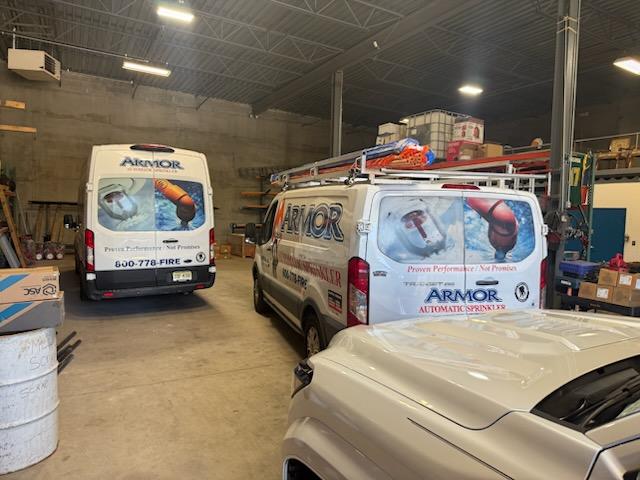
Why Choose Us? Call Today!
Schedule Your Professional Fire Sprinkler Inspection in NJ
Whether you manage an office building, operate a warehouse, oversee a residential complex, or own a commercial property, regular fire sprinkler inspections deserve serious attention. We welcome the opportunity to help you evaluate your system’s condition, understand applicable inspection requirements, and identify concerns that may need attention.
Contact Us Today to discuss your fire sprinkler inspection needs in New Jersey.
Let our experience, professionalism, and commitment to precision help you protect the people and property that matter most.