Now, we install sprinkler systems in buildings to protect people and to protect property. But after we install the system, it doesn’t end there. We need to inspect, test, and maintain that system to make sure it’s going to operate when needed.
Fire sprinkler systems can help control a small fire or help slow its spread before first responders arrive. Do you have a fire sprinkler system at your facility?
If so, have you noticed any of the following? Are applicable sprinkler tools and replacement heads on site? Is there documentation of your regular required services?
What NFPA 25 Covers

Fire Sprinkler Maintenance
NFPA 25 is a standard for the inspection, testing, and maintenance of water-based systems. It provides all the requirements for inspecting, testing, and maintaining all of our water-based equipment. That includes sprinkler systems. It outlines the specific frequencies for the specific components. Chapter 5 covers sprinkler systems, and 521 specifically covers sprinklers.
The Annual Sprinkler Inspection
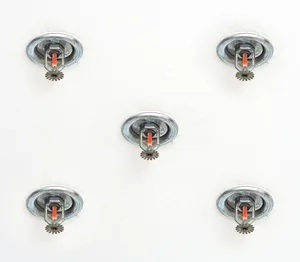
We need to inspect them annually from the floor level. What this means is not getting on a ladder, not getting on a lift, just looking at the floor level and inspecting those sprinklers. We don’t have to go make access to sprinklers in order to inspect them. It’s literally just the ones that we can see from that floor level.
What Inspectors Look For
What are we looking for? We’re looking for signs of leakage. We’re looking for signs of corrosion that’s detrimental to the sprinkler performance. We’re looking for signs of physical damage.
Checking Glass Bulb Fluid
We’re looking for loss of fluid in a glass bulb. The way that bulb actually works is there’s an air bubble in there and then there’s fluid. As it heats up, that air bubble is going to expand. Once it reaches a specified temperature, it’s going to cause the whole thing to burst and that cap’s going to come out and water’s going to flow.
If there’s no fluid in that bulb anymore, it’s not going to operate as intended. So we need to make sure that fluid’s still there.
One thing to pay attention to is that sometimes that fluid can actually just lose its color. So we need to pay attention to seeing if there still is fluid or if it just lost its color. We wouldn’t be looking for loss of color there because it just uses solder and then some frame link arms in there to hold that water back.
Loading and Paint on Sprinklers
The next thing that we’re going to look for is loading that’s detrimental to the sprinkler performance. Whether that’s dust, debris, anything that can get applied onto that sprinkler that’s detrimental to the performance. And then finally, we’re looking for any paint other than that applied by the sprinkler manufacturer that’s detrimental to the sprinkler performance. If we saw a sprinkler painted the same color as the wall, you see that someone came and just sprayed everything, that is not acceptable.
Determining What Counts as Detrimental
Previously, it used to just say any paint on a sprinkler and you need to replace it. Well, the detrimental to the sprinkler performance allows the inspector a little bit of leniency when they’re looking at it to determine if it’s actually detrimental to the sprinkler performance.
If there’s a tiny little bit of paint on the deflector, it’s not necessarily going to affect the activation of the sprinkler and won’t affect the spray pattern, that might be able to stay, at the discretion of the inspector. Just make sure it is safe for everyone. Another thing is if we’ve got paint on that orifice cap at all, that would be detrimental and would not allow that sprinkler to operate.
Sampling and Testing Loaded Sprinklers
If you’ve got a bunch of sprinklers with the same type of loading, like paint or something on that, inspectors can send out samples for testing to make sure that they’re all having the same heat response and they’re still operating.
Testing Frequencies
Testing frequencies are a critical aspect of NFPA 25. Different components of the water-based fire protection system have different inspection and testing schedules. Water flow alarm devices shall be tested quarterly, while fire pumps require an annual flow test. Dry system air testing is a three-year requirement. Internal inspection of sprinkler piping should happen every five years.
Conclusion
Remember that required fire protection services and associated frequencies may vary by market. Always check with your local authority having jurisdiction to determine the inspection, service, and other requirements for your facility. Paying more attention to your equipment can help make you more prepared when you need it.