Picture a flex building off Route 1 in Edison. Nine tenants, a riser room behind the loading dock, a dry system over the unheated warehouse side, and a fire pump nobody has looked at since last year’s visit. You manage it. The annual sprinkler inspection is coming up, and you’d like it to be the boring kind, with no surprises, no locked doors and no fire trucks rolling into the lot because the alarm company didn’t get the memo.
That mostly comes down to a bit of homework before you pick up the phone. Make sure whoever you book holds a New Jersey fire protection business permit, and that a certified tech will actually do the work. Dig out last year’s reports so you know what’s due and what got flagged. In the week before, get keys for every suite, give tenants a heads-up, and call your alarm monitoring company. Do those few things and inspection day usually goes the way you want it to, which is quietly.
Commercial Fire Sprinkler Inspections
The short version, as a checklist
| When | What to do |
| Before you book | Check the company’s NJ permit, and pull last year’s reports |
| Two weeks out | Figure out what’s due: annual only, or a 3- or 5-year test too? |
| A week out | Notice to tenants, keys collected, riser room and FDC cleared |
| The day before | Call the alarm monitoring company |
| Inspection day | Someone on site who can open doors and answer questions |
| After | Read the report, schedule repairs, call the alarm company back |
Before you book: is the company even allowed to do this?
New Jersey doesn’t leave this up to chance. Under N.J.A.C. 5:74-2.1, any business that installs, services, repairs, inspects, or maintains fire protection equipment needs a permit from the state, and that permit comes with strings attached. A company servicing sprinkler systems has to run a 24-hour emergency phone line and respond within an hour. It has to put its name and permit number on its trucks, and it has to carry at least $1 million in commercial general liability insurance.
Here’s a quick trick. Walk down to the riser and look at the tag from the last inspection. Under the same rule, tags and forms have to use the Division of Fire Safety’s format, preprinted with the company’s name and permit number and a spot for the technician’s certification number. No numbers on the tag? That’s a question worth asking before you rebook the same company. The Division of Fire Safety also keeps a list of permitted fire protection businesses on its website, if you’d rather look somebody up first.
Two weeks out: what’s actually due?
It’s rarely as simple as “the annual.” NFPA 25 gives every part of a sprinkler system its own clock. Some checks happen quarterly and the bigger round is yearly, but a few tests only come up every three or five years, and when one of those lands, the visit takes longer. Our Edison building, with its dry system and fire pump, has a longer list than a single wet system over a nail salon.
Last year’s report tells you most of what you need. It’ll list the systems, what was tested and anything that was flagged and maybe never fixed. If you want to see the whole calendar, How Often Should Fire Sprinkler Systems Be Inspected and Tested? lays it out.
While you’re in there, check on backflow. That same NJ rule lets the backflow part of the annual test on a testable backflow preventer be done by a tester certified through an agency the state DEP recognizes. If your sprinkler contractor doesn’t do backflow, line up someone who does, so it doesn’t slip.
A week out: doors, keys and tenants
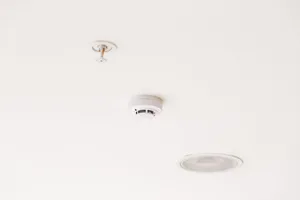
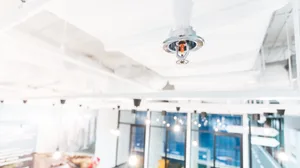
Here’s where inspections tend to fall apart. The tech needs to see heads, pipe, valves and gauges all through the building, and that means suite 104, the back storeroom at the nail salon, the riser room and maybe the roof. A locked door means that area doesn’t get looked at, and odds are you’re paying for a second trip.
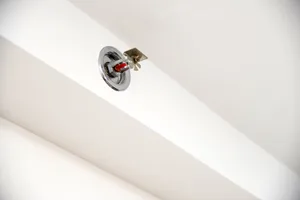
So send the tenants a short notice with the date and a window of time. Collect keys from anyone who’s going to be out. Then go look at the riser room and the fire department connection, because those have a way of disappearing behind pallets and dumpsters. The 2018 New Jersey Fire Code sets minimum working clearances around fire department connections, and a blocked one can end up on the report all by itself.
The day before and the day of: alarms and water
Call your alarm monitoring company. The waterflow test is supposed to trip the alarm (that’s the whole point of it), and if the monitoring company doesn’t know it’s a test, they may send the fire department. Then call them again once the work is done so everything goes back to normal.
Know where the water goes, too. The main drain test sends a fair amount out through the drain, usually outside the building, and you don’t want it running across the walkway in front of a tenant’s door. And if any part of the system has to be shut down during the visit, that’s an impairment. New Jersey’s fire code has procedures for that, including who’s in charge of coordinating the shutdown and who needs to be notified.
After: the report
Read the whole thing, even the boring parts. It should say what was checked, what was found and what’s recommended. If there are deficiencies, get them on the schedule now, not the week before next year’s visit. Fixing something on a Tuesday morning you picked beats an emergency call at 2 a.m. with tenants standing in the parking lot.
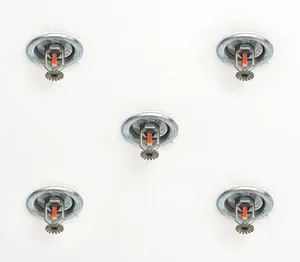
It helps to know before the inspection who has to approve repairs, so nothing sits waiting for a signature. For what inspectors look for on the sprinkler heads themselves, see Fire Sprinkler Maintenance: Best Practices for Keeping Your System Reliable.
Frequently asked questions
Does a sprinkler inspection company need a license in New Jersey?
It needs a state permit. N.J.A.C. 5:74-2.1 requires one for businesses that inspect, service, or maintain fire protection equipment, and their inspection tags have to show the permit number.
Will a sprinkler inspection set off the fire alarm?
The waterflow test will, on purpose. Let your monitoring company know before it starts and again once it’s over.
Do tenants need to be notified?
You’ll want to. The inspector needs access to their spaces, and an alarm going off or water coming out of a drain tends to worry people who weren’t warned.
What should I have ready for the inspector?
Last year’s reports, keys to every suite, a clear path to the riser room and the fire department connection, and someone who can approve repairs.
Booking inspections for a commercial property in New Jersey? ARMOR Automatic Sprinkler has served New Jersey and the New York area for more than 40 years under Master Fire License #P00486, with 24-hour emergency service. Call 800-778-3473, or look at our Fire Sprinkler Inspection, Commercial Fire Sprinklers, Fire Sprinkler Repair and 24/7 Emergency pages, or contact us.